

Creating a productive home office space can be a game-changer for your work-from-home routine. A clutter-free environment helps improve focus, reduces stress, and makes your workday smoother. Whether you’re setting up a new workspace or refreshing an existing one, these tips will guide you toward an organized and inspiring home office.
Why a Clutter-Free Home Office Matters
Before diving into tips, it’s important to understand why organization matters. Clutter can overwhelm your senses and make it harder to concentrate on tasks. When your workspace is neat, everything you need is easy to find, and distractions are minimized. This leads to better productivity and a more enjoyable work experience.
Step 1: Choose the Right Space
The foundation of an organized office starts with selecting the best spot in your home.
– Quiet and bright: Look for a space with natural light and minimal noise.
– Dedicated area: Try to reserve a specific spot just for work to help separate work from leisure.
– Comfortable size: Ensure the area has enough room for your desk, chair, and storage without feeling cramped.
Step 2: Declutter Your Desk and Surroundings
Your desk is the heart of your home office, so keeping it uncluttered is essential.
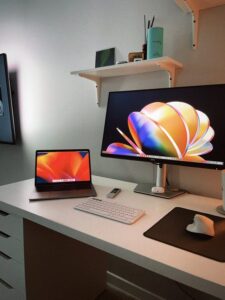
– Clear the surface: Remove everything from your desk and only put back essential items.
– Limit personal items: While personal touches are nice, avoid overcrowding your desk with many decorations.
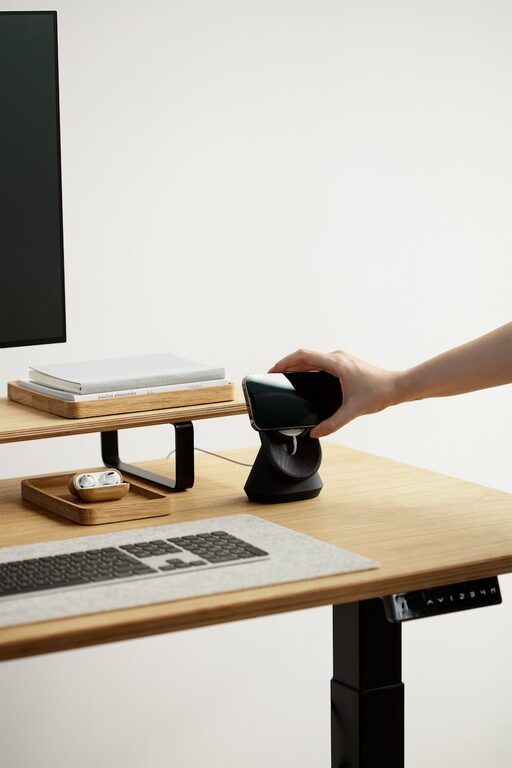
– Use trays and organizers: Desk organizers, pen holders, and trays keep small items in place and reduce mess.
Step 3: Optimize Storage Solutions
Proper storage helps keep paperwork and supplies in order.
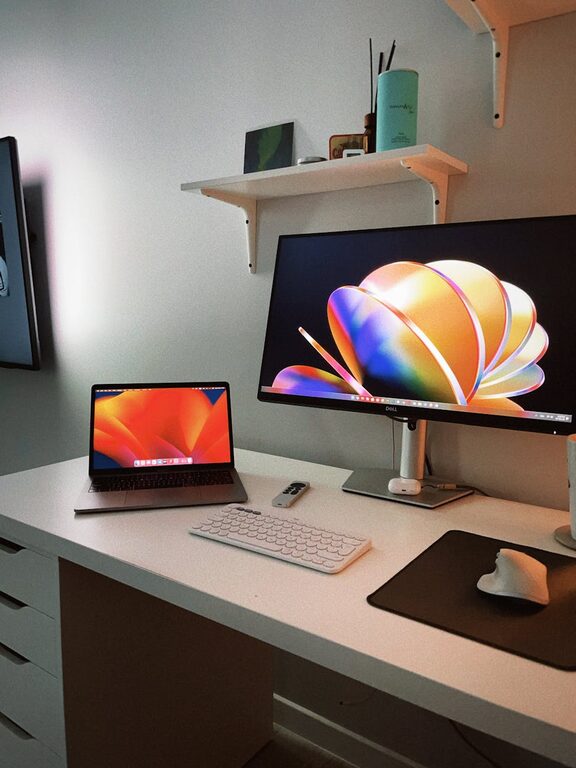
– Shelves and cabinets: Use wall shelves or storage cabinets to free up desk space.
– Drawer organizers: Keep drawers tidy with separators for stationery and supplies.
– Label containers: Label boxes and files so you can find things easily.
Step 4: Manage Paperwork Efficiently
Paper clutter can quickly pile up if not addressed.
– Go digital: Whenever possible, scan documents and store them electronically.
– File system: Create a simple filing system for physical documents you need to keep.
– Sort regularly: Dedicate time weekly or monthly to sort and discard unneeded papers.
Step 5: Keep Cables Neat and Hidden
Messy cables can spoil the look and feel of your workspace.
– Cable management tools: Use clips, sleeves, or cable boxes to keep cords tidy and out of sight.
– Label cords: Labeling helps you identify cables without unplugging everything.
– Limit electronics: Keep only necessary devices at your desk to reduce tangled cables.
Step 6: Make Your Workspace Functional and Comfortable
Comfort and functionality go hand-in-hand with organization.
– Ergonomic chair: Invest in a chair that supports good posture.
– Proper desk height: Ensure your desk height fits your body to avoid strain.
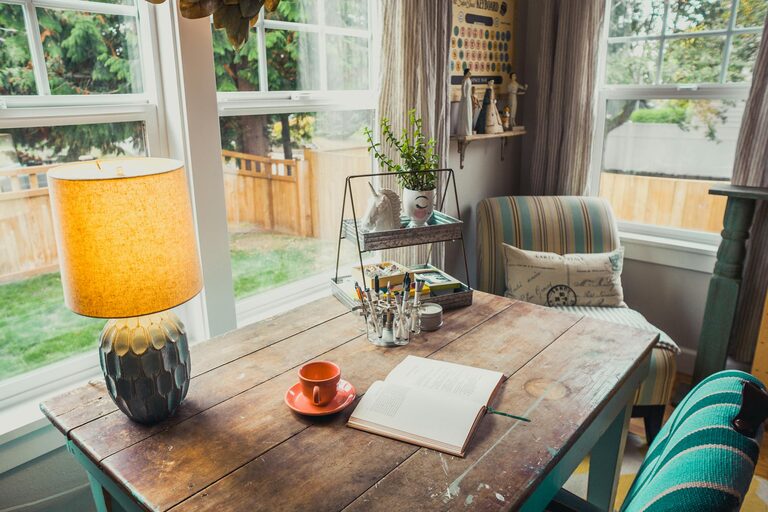
– Good lighting: Use a desk lamp to improve lighting conditions, especially for evening work.
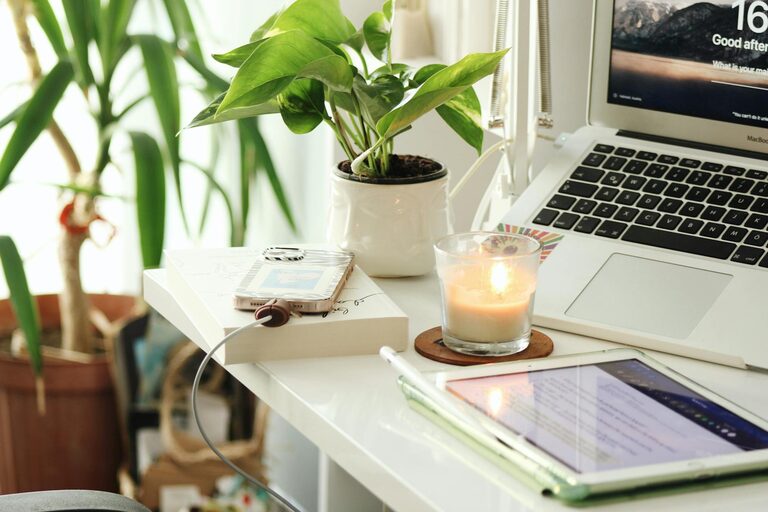
– Add plants: Small plants can freshen the space and reduce stress.
Step 7: Develop Daily Habits for Maintaining Order
Organization isn’t a one-time job—it needs maintenance.
– End-of-day cleanup: Spend a few minutes at the end of each workday tidying your desk.
– Minimal paper habit: Handle and file papers as they come in rather than letting them accumulate.
– Regular reviews: Every few weeks, reassess your workspace and storage to ensure it still fits your needs.
Step 8: Personalize Without Overcrowding
A bit of personalization makes your office inspiring but stay mindful of clutter.
– Choose a few meaningful decor items like art prints or photos.
– Keep colors soothing and consistent to promote focus.
– Use motivational quotes or calendars to stay organized and encouraged.
Final Thoughts
Organizing a clutter-free and productive home office takes some planning and consistent effort. By choosing the right space, decluttering regularly, managing paperwork efficiently, and dressing your workspace with functional and personal touches, you can create a comfortable environment where productivity flourishes. Remember, your home office should work for you, so adjust these tips to suit your lifestyle and preferences.
Happy organizing!