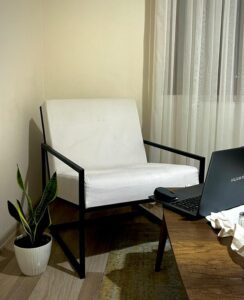


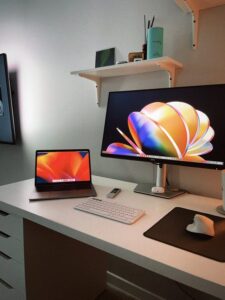
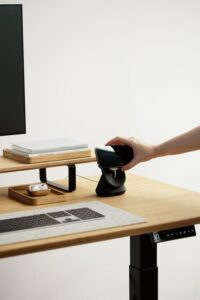
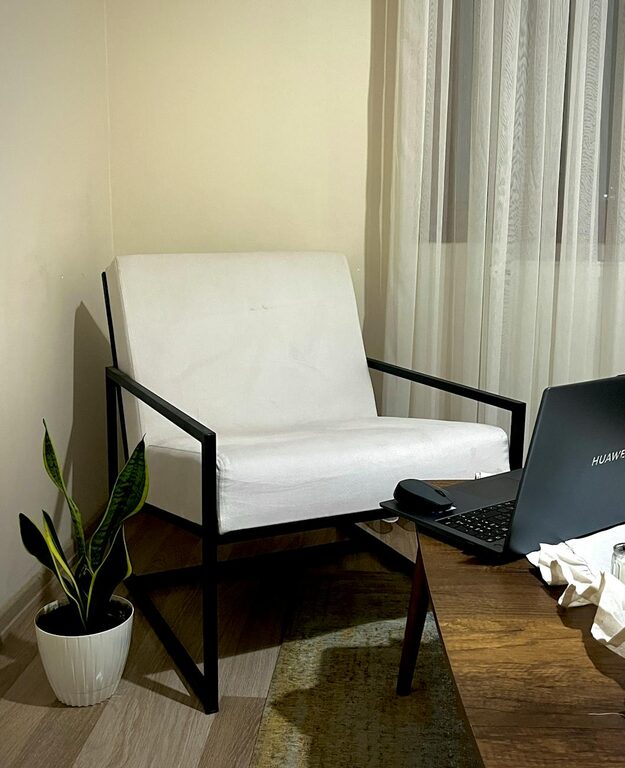
Creating a home office that is both cozy and productive can make a significant difference in your work-from-home experience. Whether you have a dedicated room or a small corner in your living space, designing an environment that encourages focus while providing comfort is key. In this post, we’ll explore practical tips to help you build a workspace that supports your productivity and well-being.
Why a Cozy Home Office Matters
A comfortable workspace isn’t just about aesthetics—it affects your mood, motivation, and efficiency. When your office feels inviting, you’re more likely to enjoy your work and maintain concentration. At the same time, productivity requires minimizing distractions and organizing your tools effectively.
Choosing the Right Location
Find a Quiet Corner
Select a spot in your home that is as quiet as possible. Noise can disrupt your flow, so minimizing background sounds helps maintain focus.
Consider Natural Light
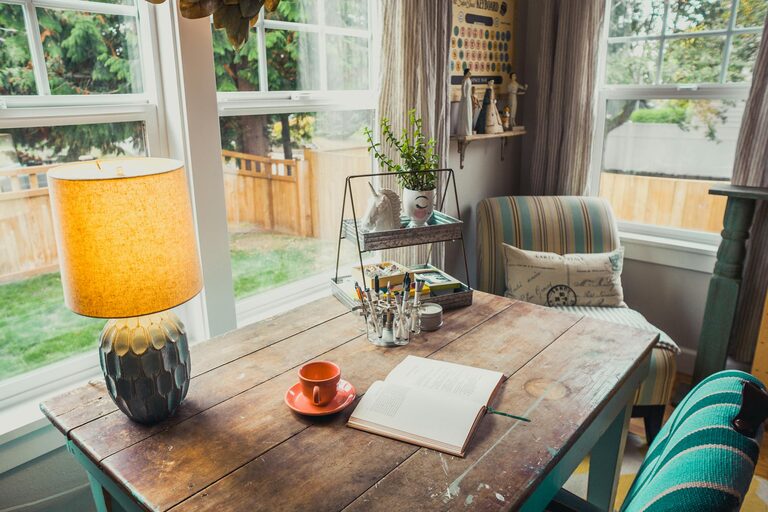
Position your desk near a window, if possible. Natural light reduces eye strain and boosts mood. If sunlight is too strong or causes glare on screens, use adjustable blinds or curtains.
Separate Work and Leisure
Try to dedicate your chosen area solely for work. This psychological boundary helps create a clear “work mode.”
Invest in Comfortable Furniture
Ergonomic Chair
Your chair is one of the most important elements. Choose an ergonomic chair that supports your posture and allows you to sit comfortably for long periods.
Functional Desk
Pick a desk with enough surface area to fit your essentials without feeling cluttered. Adjustable desks that allow you to switch between sitting and standing positions are a great option.
Footrest and Accessories
Consider using a footrest if your feet don’t comfortably reach the floor. Accessories like wrist supports can also reduce strain.
Organize Your Workspace
Declutter Regularly
Keep your desk tidy by removing unnecessary items. A minimalist space encourages clear thinking.
Use Storage Solutions
Shelves, filing cabinets, or drawer organizers help keep documents and supplies in order. Label containers for easy identification.
Cable Management
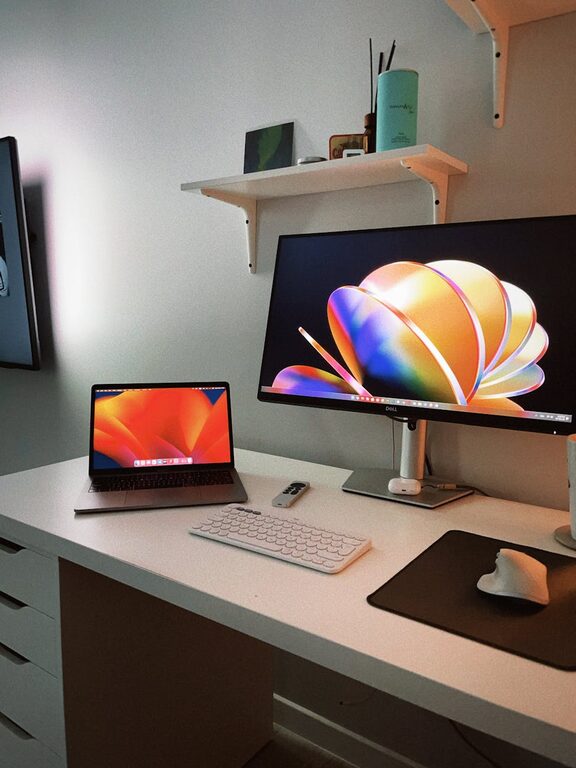
Tame cable clutter with clips, sleeves, or cable boxes. This not only improves aesthetics but also safety.
Personalize Your Space
Add Plants
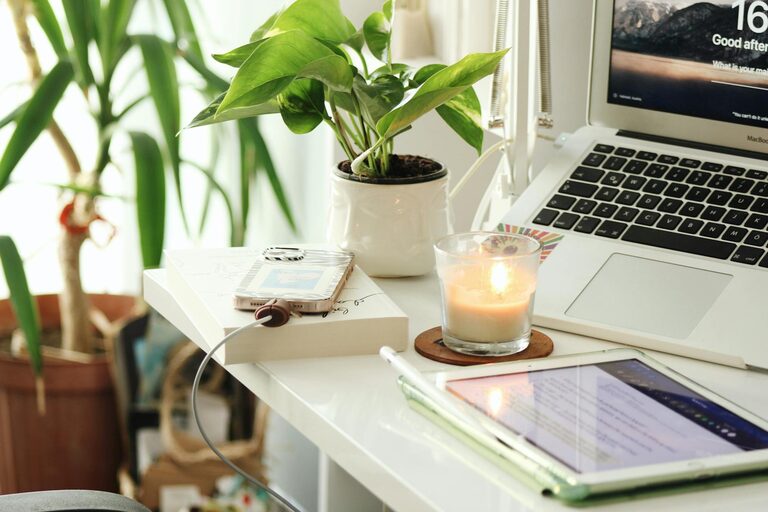
Small indoor plants improve air quality and add a calming touch. Succulents and low-maintenance plants work well for busy schedules.
Choose Soothing Colors
Soft, neutral colors on walls and décor promote relaxation and focus. Avoid overly bright or distracting patterns.
Display Inspiring Items
Include a few personal touches like artwork, photos, or motivational quotes that make you feel good without overwhelming your space.
Optimize Lighting
Layered Lighting Setup
Use a combination of ambient, task, and accent lighting. A desk lamp with adjustable brightness can reduce eye fatigue during detailed tasks.
Avoid Screen Glare
Position lights to prevent reflections on your screen. Soft, indirect lighting is usually preferable.
Manage Technology Effectively
Reliable Internet and Equipment
Ensure your internet connection and devices meet the demands of your work. Slow connections or outdated tech can disrupt productivity.
Use Headphones
Noise-cancelling headphones help block distractions and improve focus, especially if your home environment is noisy.
Organize Your Digital Workspace
Regularly clean your desktop, organize files, and use productivity apps to streamline your workflow.
Establish a Routine
Set Work Hours
Define clear start and finish times. A routine reinforces the separation between work and personal life.
Take Breaks
Incorporate short breaks to stretch, hydrate, or simply rest your eyes. This helps prevent burnout and keeps energy levels steady.
Create Signals
Use visual cues like closing a door or putting on headphones to indicate work time, reducing interruptions.
Maintain Good Air Quality and Temperature
Ventilate Regularly
Fresh air boosts concentration and keeps you alert. Open windows when possible or use an air purifier.
Control Temperature
Keep the room at a comfortable temperature. Layers of clothing or a small fan/heater can help you adjust as needed.
Final Thoughts
Designing a cozy and productive home office is about balancing comfort with efficiency. By considering your environment, furniture, organization, and routines, you create a space that supports your work and well-being. Remember, small changes can make a big difference. Start with what matters most to you, and gradually adjust your space to fit your unique needs. A thoughtful home office will help you stay focused, reduce stress, and enjoy your work-from-home lifestyle.